

Successful upgrades do not always require a complete renovation. Replacing inefficient fixtures, improving storage, addressing moisture problems, and selecting durable materials can help homeowners get more value from their existing spaces. By identifying the most pressing needs, establishing a realistic budget, and prioritizing long-term performance, homeowners can create a more functional environment without taking on unnecessary expenses.
Make the Kitchen More Efficient for Everyday Use

The kitchen supports several daily activities, from preparing meals and storing groceries to cleaning dishes and gathering with family. Improving its layout and storage can make these tasks easier while reducing clutter and wasted movement.
Improve Storage and Workflow With Purposeful Layout Changes
A practical kitchen layout places frequently used items within easy reach and provides enough room to move safely between appliances, counters, and storage areas. Homeowners can start by observing where congestion occurs during meal preparation. For example, insufficient counter space near the refrigerator or a crowded area around the sink may indicate opportunities to improve the arrangement.
Useful upgrades include:
- Installing pullout shelves to make items at the back of cabinets easier to access.
- Using deep drawers for pots, pans, and frequently used cookware.
- Adding vertical dividers for baking sheets, cutting boards, and serving trays.
- Creating designated storage areas for small appliances to keep counters clear.
- Improving task lighting over food-preparation surfaces.
Kitchen remodeling can address several of these concerns at once, especially when the existing layout limits movement or storage. However, homeowners should determine whether rearranging cabinets and improving organization will solve the problem before committing to major structural changes.
Choose Durable Surfaces and Maintain Kitchen Drainage
Countertops are frequently exposed to food, liquids, hot cookware, and cleaning products. Selecting a surface that suits household habits can help reduce maintenance and extend its useful life. Concrete countertops, for example, offer customization through different colors, finishes, and edge profiles. They generally require appropriate sealing to protect against staining and moisture.
Drainage also deserves attention. Pouring cooking grease down a sink can cause buildup as the material cools and hardens inside the pipes. Instead, allow the grease to cool, then place it in a suitable container for disposal in accordance with local waste guidelines. Properties that generate substantial amounts of cooking grease may benefit from professional kitchen grease disposal services.
Regularly cleaning sink strainers and monitoring drainage speed can help identify developing problems. Persistent clogs, recurring backups, or unpleasant odors warrant further investigation rather than repeated attempts to clear the same obstruction.
Upgrade Bathrooms for Better Comfort and Water Efficiency
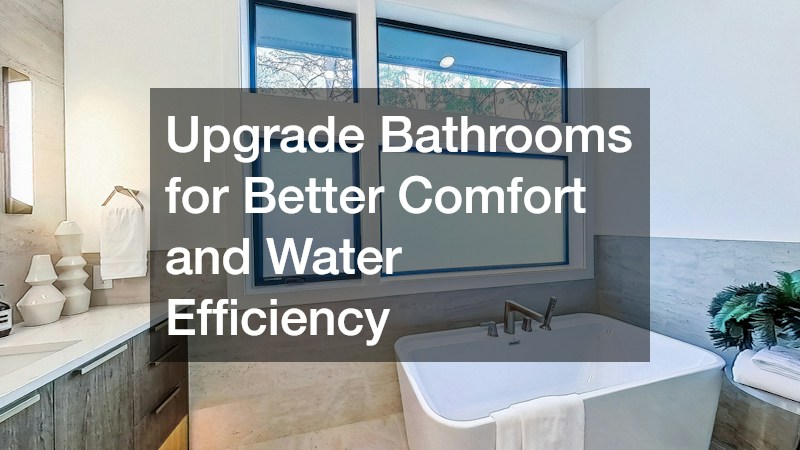
Bathrooms must accommodate daily routines while managing frequent exposure to water and humidity. Upgrading fixtures, improving accessibility, and correcting leaks can make these spaces more comfortable while helping prevent damage.
Replace Inefficient Fixtures and Improve Daily Accessibility
Older faucets, showerheads, and toilets may use more water than necessary. Replacing them with efficient models can reduce water consumption without compromising everyday convenience. Homeowners should compare product specifications, compatibility, and maintenance requirements before choosing replacements.
Accessibility is another important consideration. A bathroom that works well today may become less convenient as household needs change. Improvements such as nonslip flooring, brighter lighting, strategically placed grab bars, and accessible storage can help make the room safer for a wider range of users.
Consider these practical changes:
- Install showerheads and faucets designed to reduce unnecessary water use.
- Add shelves or recessed storage to keep toiletries organized.
- Improve ventilation to remove moisture after bathing.
- Choose flooring suitable for wet environments.
- Position frequently used supplies where they can be reached comfortably.
Qualified plumbing contractors can help ensure that new fixtures and water connections are compatible with existing plumbing. Professional guidance is particularly valuable when an upgrade requires relocating pipes, modifying drainage, or changing the placement of major fixtures.
Address Leaks and Plumbing Problems Before They Spread
Even a small leak can damage cabinets, flooring, wall materials, and nearby structural components when left unresolved. Homeowners should periodically inspect the areas beneath sinks, around toilets, near shower enclosures, and along exposed supply lines.
Warning signs include unexplained increases in water bills, damp cabinets, peeling paint, persistent musty odors, and reduced water pressure. Slow drains may indicate buildup or a developing blockage, while recurring backups can suggest a deeper problem.
Prompt plumbing repair helps prevent minor defects from becoming more extensive and expensive. Although replacing a worn washer or cleaning an accessible drain strainer may be manageable for some homeowners, persistent leaks and concealed pipe problems require appropriate professional attention.
After completing the repair, inspect the area again to confirm that the leak has stopped and that surrounding materials are drying properly. If moisture has penetrated walls or flooring, additional assessment may be necessary to determine whether damaged materials need replacement.
Make Laundry Rooms More Practical and Organized
Laundry rooms often serve several purposes, including washing clothes, storing cleaning products, and handling household linens. A well-organized setup makes these tasks easier while helping protect appliances and nearby surfaces.
Create Dedicated Storage and Improve Appliance Access
Start by grouping supplies according to how they are used. Detergents, stain removers, dryer sheets, and cleaning tools should have designated storage locations. Cabinets and wall-mounted shelves can free up floor space, while labeled containers make frequently used items easier to find.
A folding counter can reduce the need to carry clean laundry into another room. Where space is limited, a fold-down work surface or retractable drying rack may provide useful functionality without permanently occupying the room.
Homeowners should also leave sufficient clearance around washers and dryers for ventilation, maintenance, and safe operation. Avoid overcrowding appliance connections with storage bins or furniture, and keep access to shutoff valves unobstructed.
Prevent Moisture Buildup and Protect Nearby Surfaces
Laundry equipment handles substantial amounts of water, so leaks and drainage issues deserve regular attention. Inspect washer hoses, visible connections, and the surrounding floor for cracks, corrosion, dampness, or other signs of deterioration.
Replacing aging hoses according to manufacturer recommendations can reduce the risk of unexpected failures. Homeowners should also clean dryer lint filters after each load and maintain the dryer vent according to the manufacturer’s instructions to ensure proper airflow and reduce fire hazards.
If a washing machine repeatedly fails to drain, leaks during operation, or leaves standing water behind, investigate the cause promptly. Recurring problems may involve the appliance, its drain connection, or a blockage farther along the drainage system. Addressing the underlying issue is more effective than repeatedly cleaning up water after each cycle.
Protect Basements From Moisture and Water Intrusion

Basements can provide valuable space for storage, recreation, laundry, or additional living areas. However, moisture problems can undermine these uses by damaging finishes, encouraging mold growth, and affecting stored belongings.
Improve Drainage Around the Foundation
Effective water management begins outside the home. Gutters, downspouts, grading, and drainage pathways influence where rainwater travels once it reaches the property. When runoff collects beside the foundation, it can increase the likelihood of seepage through cracks or other vulnerable areas.
Homeowners can reduce these risks by taking several preventive steps:
- Clean gutters and downspouts regularly so water can flow freely.
- Direct downspout discharge away from the foundation.
- Check that the ground slopes away from the house where appropriate.
- Remove leaves and debris from accessible exterior drainage areas.
- Inspect basement walls and floors for new cracks, staining, or damp patches.
A musty smell, peeling paint, or recurring dampness may indicate that water is entering the basement or that humidity remains too high. Simply covering affected areas with fresh paint will not resolve the underlying cause. Identify and correct the moisture source before replacing finishes or installing additional furnishings.
Keep Water Removal Equipment Ready for Heavy Rain
A sump pump helps remove groundwater that collects in a designated basin, reducing the risk of basement flooding in properties that rely on this system. Homeowners should periodically test the pump according to the manufacturer’s instructions and check that the discharge line is unobstructed.
Unusual noises, frequent cycling, visible damage, or failure to activate can signal that sump pump repairs are needed. A backup power option may also be worthwhile in areas where storms frequently cause electrical outages.
Basement drainage problems do not always originate with the sump pump. Persistent blockages or backups may require professional drain and sewer cleaning, depending on the source of the problem. A sump pump, a foundation drainage system, and a sewer line serve different purposes, so accurate diagnosis is important before arranging repairs.
Choose Improvements That Deliver Lasting Value
Not every project needs to happen immediately. Homeowners can make better decisions by distinguishing urgent repairs from improvements that primarily affect appearance or convenience.
Prioritize Repairs Before Cosmetic Changes
Water intrusion, deteriorating structural components, electrical hazards, and malfunctioning plumbing should generally receive attention before decorative updates. Installing new flooring over a damp subfloor, for example, may result in additional costs if the moisture source remains unresolved.
Create a prioritized list using three considerations:
- Urgency: Could the issue threaten safety or cause further damage?
- Daily impact: Does the problem interfere with essential household activities?
- Long-term cost: Could addressing it now prevent a more expensive repair later?
Planned home renovations can also be organized into phases. Completing necessary plumbing or electrical work before closing the walls helps reduce the likelihood of having to reopen finished surfaces later. Coordinating related projects can save time, minimize disruption, and make better use of the renovation budget.
Compare Professional Help and Project Requirements
Some upgrades are suitable for experienced do-it-yourself homeowners, while others require specialized skills, permits, or licensed tradespeople. Before hiring a provider, verify relevant qualifications, insurance coverage, references, and experience with similar projects.
Reputable home remodeling services can help homeowners evaluate design options, coordinate materials, and establish realistic schedules. Request written estimates that specify labor, materials, permits, cleanup, exclusions, and expected completion dates. Comparing estimates based on scope and quality, rather than price alone, provides a clearer picture of the project’s likely value.
Homeowners should also clarify who will coordinate subcontractors and who is responsible for obtaining required permits. Clear expectations at the beginning help prevent misunderstandings and make it easier to manage changes if unexpected conditions arise.
Improve Shared Living Areas Without Sacrificing Function

Living rooms, entryways, and hallways often accommodate several activities throughout the day. Improving circulation, storage, and lighting can make these spaces more comfortable without requiring extensive construction.
Use Lighting, Furniture Placement, and Storage Strategically
Start by identifying obstacles that make rooms difficult to navigate. Oversized furniture, poorly positioned tables, and crowded entryways can restrict movement. Rearranging existing furnishings may improve the layout without adding significant expense.
Layered lighting is another effective upgrade. Combining general, task, and accent lighting can improve visibility while creating a more comfortable atmosphere. In entryways, a bench with concealed storage provides a place to sit while keeping shoes and everyday items organized.
Durable flooring and washable finishes can also help shared spaces withstand frequent use. Select materials based on household activities, cleaning preferences, and exposure to dirt or moisture.
Plan Work Carefully to Minimize Household Disruption
Before beginning a project, determine which rooms will be unavailable and where household activities can temporarily take place. Protect furniture and finished surfaces, establish safe pathways around work areas, and confirm the arrival times of materials and equipment.
Professional contracting services can help coordinate the various stages of a project, particularly when several trades must work in sequence. Homeowners should maintain regular communication with the project team and request updates when schedules or material availability change.
Planning these details in advance helps reduce avoidable delays and makes it easier to maintain normal household routines while improvements are underway.
Maintain Upgrades With a Simple Seasonal Checklist
Even well-planned improvements require ongoing care. Establishing a basic maintenance routine helps homeowners identify developing issues before they lead to expensive repairs.
Schedule Regular Inspections and Preventive Maintenance
Set aside time throughout the year to inspect visible plumbing connections, appliances, drains, basement areas, and exterior drainage components. Clean accessible strainers, check caulking around wet areas, and look for signs of wear on seals and hoses.
Follow manufacturer instructions for cleaning countertops, maintaining fixtures, and caring for flooring. Different materials may require specific products or techniques, so avoid abrasive cleaners or unapproved treatments that could damage finishes.
Keep records of completed repairs, warranties, maintenance dates, and contractor contact information. These records make it easier to track recurring issues and plan future expenses.
Respond Quickly When New Problems Appear
Recurring clogs, unexplained water bills, unusual odors, damp surfaces, and changes in appliance performance deserve attention. Documenting when a problem started and what conditions accompany it can help a professional identify the cause.
Routine maintenance cannot prevent every failure, but it can reveal warning signs early. Responding promptly and arranging qualified assistance when necessary helps preserve the condition, safety, and usefulness of frequently used spaces.
Upgrading a home’s most frequently used spaces begins with understanding everyday needs and identifying the problems that matter most. Practical improvements to storage, lighting, fixtures, drainage, and durable surfaces can enhance comfort while reducing maintenance demands. With careful planning, realistic budgeting, and timely professional assistance, homeowners can create spaces that remain functional, comfortable, and dependable for years to come.