
Keeping your home safe isn’t just about locking doors or installing alarms—it’s about maintaining every part of your property so it functions reliably and protects the people inside. Over time, even well-built homes experience wear and tear from weather, usage, and aging systems. Small issues can quickly escalate into safety hazards if left unaddressed, leading to costly repairs or even dangerous living conditions.
A proactive approach to home maintenance helps you stay ahead of problems before they become emergencies. By investing in the right services and performing regular inspections, you can protect your home’s structure, improve efficiency, and create a safer environment for your family. This guide walks through the most important service areas homeowners should prioritize and provides actionable steps to keep your home in top condition year-round.
Prevent Structural Hazards with Regular Exterior Inspections
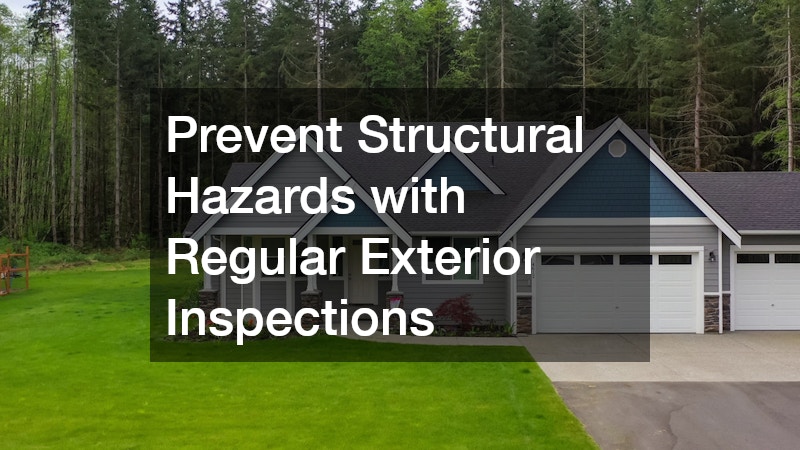
The exterior of your home is your first line of defense against accidents and structural issues. Cracked walkways, uneven driveways, and unstable fencing can all create safety risks for your family and visitors. Even small imperfections can become dangerous if ignored, especially in high-traffic areas or spaces used by children and elderly family members. A proactive approach to exterior upkeep not only reduces hazards but also enhances the overall appearance and value of your property.
Regular pavement maintenance is essential to prevent trip-and-fall hazards. Over time, exposure to temperature changes, moisture, and heavy use can cause cracks, potholes, and surface deterioration. In colder climates, freeze-thaw cycles can accelerate damage, causing pavement to break apart more quickly. These issues may seem minor at first, but they can worsen rapidly, creating dangerous conditions and leading to more expensive repairs if left untreated.
Actionable tips for safer exterior surfaces:
- Inspect driveways, sidewalks, and walkways at least twice a year, paying attention to raised sections or crumbling edges.
- Fill small cracks promptly with appropriate sealants to prevent them from expanding.
- Ensure proper drainage by grading surfaces away from the home to avoid pooling water that accelerates wear.
- Reseal asphalt surfaces every few years to protect against moisture, UV damage, and heavy vehicle loads.
- Remove debris such as leaves, gravel, or moss, which can make surfaces slippery or hide hazards.
Fencing is another key component of home safety. Proper fence installations help define property boundaries, keep children and pets safe, and deter unwanted visitors. A damaged fence can compromise security and create potential injury risks if sharp edges or loose posts are present.
What to look for when evaluating fencing:
- Loose or leaning posts that reduce structural stability
- Rotted wood, rusted metal, or other material degradation
- Gaps or holes that could allow pets, children, or intruders through
- Damage from storms, falling branches, or other debris
By performing routine inspections and addressing problems promptly, homeowners can ensure that their exterior remains safe, functional, and visually appealing. Establishing a consistent maintenance schedule also helps identify emerging issues before they become costly repairs, protecting both your property and the people who use it.
Protect Your Home from Water Damage at the Top
Your roof is one of the most important components of your home, yet it’s often overlooked until a problem arises. Damage to your roof can lead to leaks, mold growth, and even structural weakening if not addressed promptly. Roof problems don’t always show up immediately, and small issues left untreated can escalate into major repairs, compromising the safety and comfort of your home.
Professional roofing services help identify issues early and ensure your roof remains in good condition. Even minor problems—like missing shingles, cracked flashing, or worn underlayment—can allow water to penetrate your home’s interior. Over time, this can cause rot, insulation damage, and even compromise the structural integrity of walls and ceilings. Regular inspections by a trained professional are critical, especially after severe weather events such as heavy storms, hail, or high winds.
Signs your roof needs attention:
- Water stains on ceilings or walls
- Missing, curling, or damaged shingles
- Sagging areas or visible wear
- Granules accumulating in gutters
Equally important is proper gutter installation, which directs water away from your home’s foundation. Without effective drainage, rainwater can pool around your home, leading to basement flooding, erosion, and structural damage. Gutters also protect landscaping, prevent soil erosion, and minimize foundation cracking.
Maintenance tips for effective drainage:
- Clean gutters at least twice a year to prevent clogs from leaves and debris
- Ensure downspouts direct water several feet away from the foundation
- Check for clogs, leaks, sagging sections, or loose attachments
- Install gutter guards to reduce debris buildup and minimize maintenance
In addition to regular cleaning, inspect for signs of wear or rust, and replace damaged sections promptly. Combining roof inspections with gutter maintenance ensures your home is well-protected against water-related damage and costly repairs. By maintaining both your roof and drainage system, you safeguard your home’s structural integrity and create a more durable, long-lasting property.
Maintain Indoor Comfort While Avoiding System Failures
A safe home isn’t just about structure—it also depends on properly functioning systems that regulate temperature and provide essential utilities. Heating and cooling systems, along with your water heater, are critical to daily comfort, energy efficiency, and overall household safety. Neglecting these systems can lead to higher energy bills, unexpected breakdowns, or even hazardous conditions like carbon monoxide leaks.
Regular hvac repair services ensure your system operates efficiently and safely. Malfunctioning heating or cooling units can reduce air quality, circulate dust and allergens, and strain electrical components. Over time, this can cause irreversible damage to the system, forcing expensive repairs or replacement. Scheduling routine inspections allows a technician to identify worn parts, detect leaks, and optimize performance before issues escalate.
Key maintenance steps:
- Replace air filters every 1–3 months to maintain airflow and indoor air quality
- Schedule professional inspections twice a year, ideally before summer and winter
- Keep vents, registers, and ducts clean and free from obstructions
- Listen for unusual noises, inconsistent temperatures, or weak airflow
Your water heater is another essential component that requires regular attention. Timely water heater repair prevents leaks, inconsistent water temperatures, and potential water damage. Rust, sediment buildup, and worn heating elements are common issues that can reduce efficiency and shorten the unit’s lifespan.
Warning signs of water heater problems:
- Rust-colored or cloudy water indicating corrosion
- Fluctuating water temperatures or insufficient hot water
- Strange noises, such as popping or rumbling, from sediment buildup
- Visible leaks, corrosion, or dripping around valves
Flushing your water heater annually removes sediment and extends its lifespan, while occasional inspections of pressure relief valves and plumbing connections prevent safety hazards. By staying on top of hvac and water heating systems, homeowners can maintain consistent comfort, improve energy efficiency, and safeguard their home from avoidable emergencies. Regular preventive maintenance not only protects the household environment but also reduces long-term repair costs, ensuring peace of mind year-round.
Ensure Safe Access Points Throughout Your Home
Garage doors are one of the largest moving components in your home, and they can pose serious safety risks if not properly maintained. Faulty springs, misaligned tracks, or malfunctioning sensors can lead to accidents or injuries, particularly for children, pets, or anyone unfamiliar with the operation of the door. Because garage doors are heavy and rely on high-tension springs and precise mechanisms, even a minor malfunction can cause significant damage or harm.
Routine garage door service is essential to ensure smooth operation and prevent unexpected failures. Frequent use naturally contributes to wear and tear, so preventive maintenance is key to avoiding both safety hazards and costly emergency repairs.
Simple safety checks you can perform:
- Test the auto-reverse feature monthly by placing a small object in the door’s path to ensure it stops and reverses automatically
- Inspect cables, rollers, and springs for signs of fraying, rust, or excessive wear
- Listen for grinding, squeaking, or unusual noises that may indicate misaligned components
- Ensure the door opens and closes evenly without jerking or sticking
Maintenance tips:
- Lubricate moving parts, including rollers, hinges, and tracks, at least twice a year
- Tighten loose bolts, brackets, and hardware to maintain structural stability
- Keep tracks clean and free of debris to prevent misalignment or binding
- Check the balance of the door; a properly balanced door should stay in place when lifted halfway
It’s important to recognize the limits of DIY repairs. High-tension springs and complex mechanisms can be extremely dangerous to handle without professional training. If you notice any issues with alignment, unusual noises, or sensor malfunctions, schedule a professional garage door service immediately. Proper maintenance not only protects your family from accidents but also prolongs the life of the door, saving you time and money in the long run. A well-maintained garage door provides both safety and convenience, serving as a reliable access point for daily life.
Upgrade Aging Plumbing to Prevent Emergencies
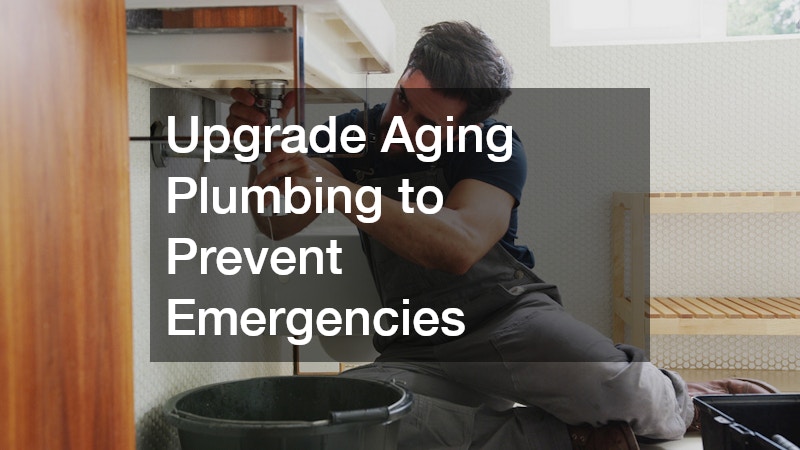
Plumbing systems often operate out of sight, making it easy to overlook potential problems. However, aging or damaged pipes can lead to leaks, water damage, and even health risks due to contamination.
Repiping services are sometimes necessary for older homes with outdated materials or frequent plumbing issues. Replacing aging pipes can improve water quality, increase pressure, and reduce the likelihood of sudden failures.
Signs your home may need repiping:
- Frequent leaks or pipe repairs
- Discolored or foul-smelling water
- Low or inconsistent water pressure
- Visible corrosion on exposed pipes
Benefits of modern piping:
- Improved durability and longevity
- Better resistance to corrosion
- Enhanced water flow and efficiency
Scheduling a professional inspection every few years can help you identify problems early and plan for necessary upgrades.
Improve Visibility and Protection with Exterior Enhancements
The exterior of your home does more than create curb appeal—it also protects against environmental damage. Over time, paint can fade, crack, or peel, leaving surfaces exposed to moisture and decay.
Hiring an exterior painting service helps maintain a protective barrier against the elements. Quality paint acts as a sealant, preventing water infiltration and reducing the risk of rot or structural damage.
When to repaint your home:
- Every 5–10 years, depending on climate and materials
- When you notice peeling, cracking, or fading
- After severe weather damage
Tips for long-lasting results:
- Choose high-quality, weather-resistant paint
- Properly prepare surfaces before painting
- Address underlying issues like mold or rot before applying new paint
Regular upkeep not only enhances your home’s appearance but also extends the life of its exterior materials.
Create a Safer Bathroom Environment for Daily Use
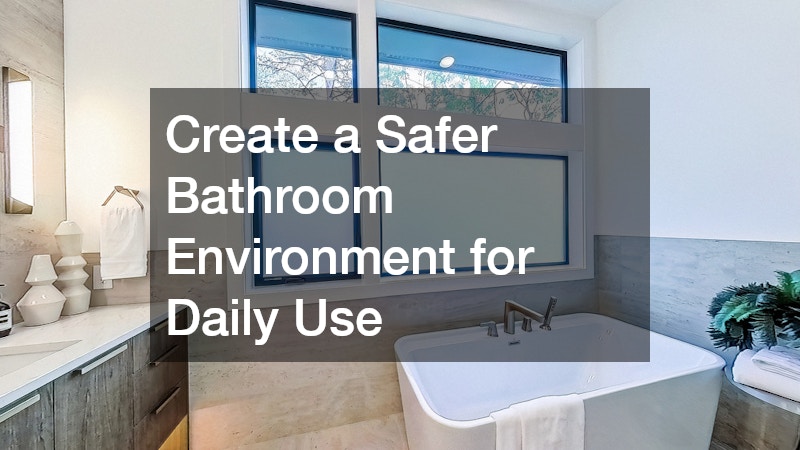
Bathrooms are one of the most accident-prone areas in any home due to slippery surfaces and frequent water exposure. Upgrading your bathroom can significantly improve safety, especially for children and older adults.
Working with a bathroom remodeling company allows you to address both visible and hidden hazards. From improving ventilation to installing safer fixtures, a well-planned remodel can make a big difference.
Safety-focused upgrades to consider:
- Non-slip flooring to reduce fall risks
- Grab bars near showers and toilets
- Walk-in tubs or curbless showers
- Improved lighting for better visibility
Additional considerations:
- Proper ventilation to prevent mold growth
- Leak detection to avoid water damage
- Updated plumbing fixtures for efficiency and reliability
A safer bathroom enhances both comfort and peace of mind for everyone in your household.
Prevent Costly Repairs with a Proactive Maintenance Plan
One of the most effective ways to maintain a safe home is by staying ahead of potential issues. A proactive maintenance plan helps you identify problems early and address them before they become expensive repairs.
Revisiting tasks like pavement maintenance and checking your gutter installation regularly ensures your home remains protected from avoidable damage.
How to build a maintenance schedule:
- Create seasonal checklists (spring, summer, fall, winter)
- Prioritize high-risk areas like roofs, plumbing, and drainage
- Set reminders for inspections and service appointments
- Keep records of past maintenance and repairs
Benefits of a proactive approach:
- Lower long-term repair costs
- Reduced risk of emergencies
- Increased home value
- Greater peace of mind
Consistency is key—small, regular efforts can prevent major issues down the line.
Combine Services for a Comprehensive Home Safety Strategy
Maintaining a safe home requires a holistic approach. Addressing individual systems is important, but combining services into a comprehensive plan ensures nothing is overlooked.
By coordinating roofing services with hvac repair services and other maintenance tasks, you can streamline inspections and reduce the likelihood of missed issues.
Tips for a comprehensive strategy:
- Schedule multiple inspections during the same season
- Work with trusted professionals who can assess multiple areas
- Create a yearly maintenance calendar
- Budget for both routine maintenance and unexpected repairs
Why this approach works:
- Saves time by consolidating service visits
- Improves overall home performance
- Ensures all systems work together efficiently
A coordinated plan helps you stay organized and maintain a consistently safe living environment.
A safe home doesn’t happen by accident—it requires consistent care, attention, and a willingness to address issues before they escalate. By focusing on key areas like structural integrity, essential systems, and preventive maintenance, you can create a secure and comfortable environment for your family.
Taking a proactive approach not only reduces risks but also protects your investment over time. With the right services and regular upkeep, you can enjoy peace of mind knowing your home is well-maintained and prepared for whatever comes its way.